Electrical Panel Upgrade in Indianapolis: Signs Your Home Has Outgrown Its Electrical System

Breakers that give up nightly. A faint buzz behind the panel door. Older houses drop hints long before anything fails outright. Reading those hints correctly is the difference between a planned electrical panel upgrade in Indianapolis and a scramble after the power dies on a January night. Most homeowners miss the early chapter.

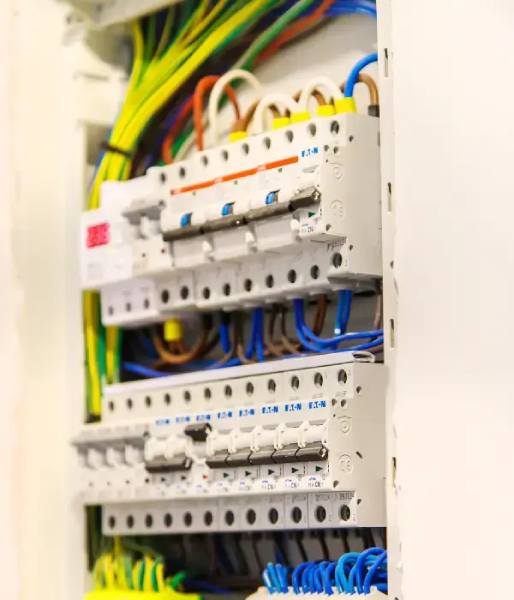
An electrical panel upgrade in Indianapolis handled by licensed local electricians closes the gap for good, with capacity sized for the house and every connection brought to current code. Homeowners get straight answers about condition and cost before any work starts. The signs below tell them when that conversation is overdue.

The House Starts Talking Back

Breakers That Trip Weekly: A breaker exists to cut power when a circuit carries more than it should. One trip a year means nothing. Weekly trips on the same circuit mean demand outran capacity a while ago. Resetting the switch fixes the evening, and nothing else. The overload stays put, right where it was.

Warm Panels and Dimming Lights: Lights dimming when the furnace blower starts show voltage sagging under load. A panel cover warm to the hand goes a step further, that heat comes from loose lugs or overworked bus bars cooking behind the steel. Both symptoms trace back to equipment straining well past its original design limits.

The Fuse Box Verdict: Screw-in fuses served fine through the 1950s. Any Indianapolis home still running on one carries branch wiring older than most of the appliances plugged into it, and insurers know it. Some carriers now refuse coverage on them outright. A fuse box is less a warning sign than a deadline already passed.

Two Brand Names Every Inspector Dreads

Federal Pacific Panels Fail When It Counts: Independent testing found Stab-Lok breakers failing to trip at rates no modern unit would pass with. A breaker that will not trip is a fire path with a switch on it. Thousands of these panels still hang quietly in Indianapolis basements, working fine right up until the day they matter.

Zinsco Panels Hide Their Damage Inside: Zinsco units corrode where the breakers meet the bus bar, a spot nobody sees without pulling the cover. Current keeps flowing while the connection burns. By the time scorch marks appear outside, the damage inside has been building unseen for years. Full replacement is the only repair the industry accepts for these.

Capacity Check Before the Big Purchase

Big Loads Deserve a Look First: An EV charger or hot tub adds a load the panel must carry every day. So does a heat pump. Smart homeowners book an inspection before the purchase arrives. A licensed Indianapolis electrician confirms whether capacity exists and files DBNS permits when new circuits go in. Here is what gets checked.

  • Spare breaker slots, and whether the bus bar can even accept more.
  • Total connected load against the service rating.
  • Grounding condition. Main conductor condition too.
  • Panel brand, checked against the known-hazard list before anything else.
  • Wire gauge on any circuit the new appliance will share.

Frequently Asked Questions

Are Federal Pacific panels illegal in Indiana?

No law bans them, and code does not force removal. The risk sits in how they perform. Home inspectors flag them on every sale, insurance carriers surcharge or decline them, and electricians recommend replacement whenever one turns up during other work.

How much does a panel inspection cost compared to an upgrade?

Inspections run modest money, a small fraction of full replacement, and some electricians roll the fee into the job if an upgrade follows. Replacement itself lands around $2,500 to $3,000 for most homes, driven by amperage, permits, and wiring condition.

Can flickering lights come from something besides the panel?

Yes. A loose neutral, a failing fixture, or utility-side trouble can all cause flicker. Whole-house flickering that follows big appliance startups points toward the panel or service capacity. Flicker confined to one room traces to local wiring instead. An electrician sorts out which.

Quiet Breakers, Steady Lights, Nothing to Explain

Every sign covered here gets cheaper to address the earlier someone acts on it. A house that has outgrown its panel will keep saying so, louder each season. Schedule an assessment with a licensed local electrician, ask for the load numbers, and let the next appliance arrive to a system ready for it.

What Happens in a Mock Driving Test? Glasgow Driving Instructors Explain the Dress Rehearsal

A mock driving test is a full practice run of the real practical exam. Glasgow driving instructors copy the exact format: an eyesight check, two vehicle safety questions, around 40 minutes of driving with one manoeuvre, and roughly 20 minutes of independent driving. The instructor stays silent, marks faults the way an examiner would, and gives you a pass or fail at the end with a debrief. Most learners take one to three mocks in the final weeks before their test.

The point of a mock is simple. Glasgow driving instructors want to see how you drive when nobody is prompting you, because that is the version of you the examiner meets. Plenty of learners drive well with an instructor talking them through junctions, then fall apart in silence. A mock exposes that gap while there is still time to close it.

It also takes the mystery out of test day. Learners who have sat two mocks with Glasgow driving instructors walk into the real exam knowing the sequence, the phrasing of the instructions, and the feeling of being watched without feedback. Nerves shrink when nothing is new.

Before You Set Off

The mock starts the way the real test does. You read a number plate from 20 metres to pass the eyesight check. Then come the two safety questions. The tell me question comes first, at the test centre, and asks you to explain a check such as how you would test the brakes. The show me question comes later, on the move, and asks you to demonstrate something like washing the windscreen.

Your instructor will hand you the same briefing an examiner gives: follow the road ahead unless signs or markings direct otherwise, and they will tell you in good time when to turn.

The Drive Itself

Expect around 40 minutes on a mix of roads. Your instructor stays quiet apart from directions. That silence unsettles people the first time. It is meant to.

Somewhere in the drive you complete one manoeuvre from the test list: parallel parking, bay parking, or pulling up on the right and reversing two car lengths. You may also get an emergency stop, since examiners include one in about a third of tests.

The independent driving section lasts about 20 minutes. You follow either a sat nav or road signs with no turn-by-turn help. Going the wrong way is not a fault as long as you do it safely, and a good mock teaches you that lesson before the exam does.

Throughout the drive, your instructor marks faults on a copy of the real DL25 marking sheet. Driving faults are minor errors. Fifteen or fewer is a pass, provided none of them is serious or dangerous. One serious or dangerous fault fails the test, and the mock applies the same rule.

The Debrief

This is where a mock earns its money. The instructor walks through every fault, explains what an examiner would have marked, and shows you the pattern behind them. Most learners fail mocks on the same two or three habits: poor mirror checks before signalling, hesitation at roundabouts, or drifting speed. Fixing a pattern beats fixing single mistakes. If you fail the mock, that is the system working. Better to fail the rehearsal at lesson prices than the real thing at a higher price plus a month of waiting.

Frequently Asked Questions

How much does a mock driving test cost in Glasgow?

It runs as a normal lesson, so expect the standard hourly rate rather than a separate fee.

When should I take my first mock?

Most instructors suggest two to four weeks before your test date, once you are driving full routes without prompts.

How many mock tests do I need?

One to three is typical, with a second mock used to confirm you have fixed the faults from the first.

Is the mock marked exactly like the real test?

Yes, instructors use the same fault categories and the same 15-minute limit, with any serious or dangerous fault counting as a fail.

Conclusion

A mock driving test rehearses the full exam: eyesight check, safety questions, silent driving, one manoeuvre, and independent navigation, all marked to real test standards. It shows you how you drive without help, turns vague nerves into a known routine, and gives your remaining lessons a clear target. Treat the result, pass or fail, as information rather than a verdict.

How Are Domestic Assault Cases Handled in Toronto Courts?

A domestic assault charge moves fast, and it rarely moves the way you expect. One call to police can mean an arrest, a night in a cell, and a no-contact order that locks you out of your own home before you have spoken to anyone who can help. The process that follows has its own rules, its own timeline, and its own people deciding what happens next. Knowing how that process works does not make it less frightening. But it does take away some of the guesswork, and guesswork is the part that keeps people up at night.

Most people charged for the first time have no idea what comes next, which is why talking to a domestic assault lawyer Toronto residents trust early on can change how the whole thing plays out. The courts treat these files seriously, sometimes more seriously than the people involved expected. Charges do not simply disappear because two people have made up. So before you assume the worst or hope for the best, it helps to understand the stages your case will actually pass through, from the moment the charge is laid to the day it ends.

What Happens After a Domestic Assault Charge Is Laid?

In Ontario, domestic violence cases are usually treated as mandatory-charge matters. That means once police are called and they believe an offence occurred, they often lay a charge whether or not the complainant wants them to. The decision is taken out of everyone’s hands quickly.

After an arrest, a few things tend to happen in short order:

• Police lay the charge and hold you for a bail hearing or release you on conditions

• A no-contact order is put in place, often barring you from your home and family

• You receive a date for your first court appearance

• Conditions may include staying away from a specific address or person entirely

This is the stage where early legal advice matters most. The conditions set now can shape your living situation for months. Get them wrong, or breach one by accident, and you could be facing a second charge on top of the first.

How Evidence Is Collected and Reviewed

People assume these cases come down to one person’s word against another. Sometimes they do. More often, there is a paper trail, and that trail gets built fast.

Evidence in a domestic assault file can include:

• Police reports and the officer’s notes from the scene

• Statements from the complainant and any witnesses

• Photographs of injuries or property damage

• Medical records, if anyone sought treatment

• Text messages, voicemails, and other digital communications

The Crown prosecutor reviews all of it and decides how strong the case is. That assessment drives a lot of what comes next. A file with thin evidence and a reluctant complainant moves very differently from one with photos, injuries, and a consistent statement. Your lawyer reviews the same material, looking for gaps, inconsistencies, or anything that does not add up.

The Court Process for Domestic Assault Cases

The court part is slower than people think. Toronto courts handle a heavy volume of these matters, and your case will likely pass through several appearances before anything is decided.

Here is roughly how it unfolds:

• First appearance, where the matter is set down and disclosure is requested

• Disclosure, when the Crown hands over the evidence it intends to rely on

• Crown pre-trial discussions, where resolution options get explored

• Judicial pre-trial, if the matter is heading toward trial

• Trial, only if the case is not resolved at an earlier stage

Many domestic assault cases never reach trial. They resolve somewhere in the middle, through negotiation. But getting to that resolution takes preparation, and the early appearances are where the groundwork is laid. Skipping a step or showing up unprepared can cost you options later.

Possible Outcomes of a Domestic Assault Case

There is no single ending here. Where your case lands depends on the evidence, your record, the position of the complainant, and how the matter is handled along the way.

Common outcomes include:

• Withdrawal or stay of charges, where the Crown decides not to proceed

• A peace bond, a court order to keep the peace, often without a finding of guilt

• A guilty plea, with sentencing that could range from a discharge to jail

• An acquittal, if the matter goes to trial and the Crown cannot prove the charge

A peace bond is worth understanding. It can resolve a case without a criminal conviction, which for many people is the difference between moving on and carrying a record for years. Whether it is available depends on the specifics, and not every case qualifies.

Why Experienced Legal Representation Matters

You can technically face these charges alone. People do. Most of them regret it.

The process is full of decisions that feel small but are not. What you say at the bail stage. Whether you accept a condition or push back. When to negotiate and when to hold firm. A lawyer who handles these cases regularly knows where the pressure points are.

Good representation tends to mean:

• Your rights are protected at every appearance, not just at trial

• A defence strategy built around the actual weaknesses in the Crown’s case

• Someone who can negotiate resolutions you might not know exist

• A clear picture of the consequences before you make any major decision

The stakes are not abstract. A conviction can affect your job, your immigration status, your access to your children. That is a lot to gamble on getting it right by yourself.

Where Things Go From Here

A domestic assault case in Toronto moves through arrest, release conditions, evidence review, several court appearances, and finally a resolution or trial. Each stage carries decisions that can shape the outcome, and most of them happen early, before many people even realise the case has momentum.

Understanding the process is a start. Acting on it is what counts. If you are facing one of these charges, getting qualified legal advice quickly gives you the best chance of steering the case somewhere you can live with. Waiting rarely helps.

FAQ

What happens after a domestic assault arrest in Toronto?

You are usually held for a bail hearing or released on conditions, which often include a no-contact order and being kept away from a particular home or person. A first court date is set, and the matter enters the criminal court process from there.

How long do domestic assault cases take to resolve?

It varies. Some resolve in a few months through negotiation, while others stretch on much longer if they head to trial. Court backlog, disclosure timing, and the complexity of the evidence all affect the timeline.

Can domestic assault charges be dropped?

The complainant cannot simply drop the charge. That decision rests with the Crown prosecutor. Charges can be withdrawn or stayed, but only when the Crown chooses not to proceed, often based on the strength of the evidence or a resolution like a peace bond.

What is a peace bond in a domestic assault case?

A peace bond is a court order requiring you to keep the peace and follow certain conditions for a set period, usually up to a year. It can resolve a case without a criminal conviction, though whether it is available depends on the facts.

Do all domestic assault cases go to trial?

No. Many resolve before trial through withdrawals, peace bonds, or guilty pleas. A trial happens only when the matter cannot be resolved at an earlier stage and the case proceeds to a full hearing.

Color Your Kitchen: A Guide to Choosing the Perfect Palette

The kitchen is often considered the heart of the home—a space where culinary creativity unfolds and family connections deepen. With so much time spent here, it’s essential that the environment feels inviting and inspiring. One of the most impactful ways to set the mood and express your style in this crucial space is through color. In this guide, we’ll explore how to choose the perfect color palette for your kitchen, ensuring it’s a reflection of your personality and meets your practical needs.

Choosing a color for your kitchen is a significant decision that can transform your space and enhance your cooking experience. By understanding color theory, assessing your space, and thoughtfully selecting your palette, you can create a kitchen that not only looks beautiful but feels just right for you.

Understanding the Basics of Color Theory

Before diving into the specifics of color selection, it’s helpful to grasp some fundamental principles of color theory. Colors can evoke emotions and influence the perception of space. Here’s a brief overview of how different colors typically affect mood:

  • Warm Colors (Red, Orange, Yellow): These colors create a sense of warmth and energy. They can stimulate appetite and conversation, making them great for a lively kitchen atmosphere.
  • Cool Colors (Blue, Green, Purple): These hues promote calmness and tranquility. They can create a serene environment, which is ideal if you prefer a more relaxed cooking experience.
  • Neutral Colors (White, Gray, Beige): Neutrals provide a clean slate and allow for versatility. They can make a space feel larger and more open, serving as a backdrop for bolder accent colors.

Understanding these basics can help you choose colors that not only suit your aesthetic but also create the atmosphere you desire.

Assessing Your Space

Once you have a basic understanding of color theory, the next step is to assess your kitchen space. Consider the following factors:

1. Lighting

Natural and artificial light plays a significant role in how colors appear. A kitchen filled with natural light can handle bolder shades, while darker spaces may benefit from lighter colors that reflect light. Test paint samples on your walls to see how they look at different times of day.

2. Size and Layout

The size and layout of your kitchen will also influence your color choice. Smaller kitchens often benefit from lighter colors to create an illusion of space. Conversely, larger kitchens can handle darker shades that add depth and intimacy.

3. Existing Elements

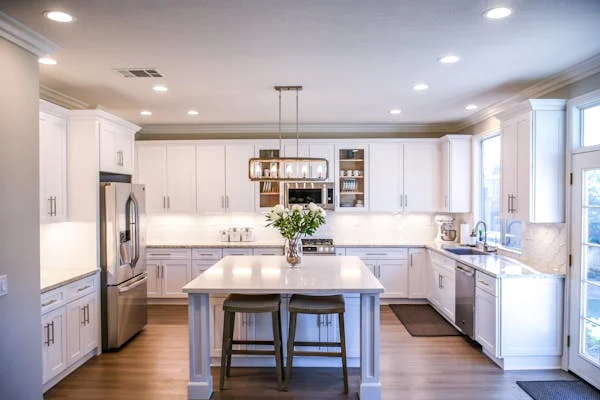
Take note of existing elements such as cabinetry, countertops, and appliances. These fixed features can serve as a foundation for your color scheme. For example, if you have warm wooden cabinets, you might want to choose colors that complement or contrast nicely with that warmth.

Choosing Your Color Palette

Once you’ve assessed your space, it’s time to choose a color palette. Here are some strategies to guide your selection:

1. Create a Focal Point

Consider making one element of your kitchen the focal point. This could be a bold backsplash, an island, or even a statement appliance. Choose a color that draws attention and then build your palette around it. For example, if you opt for a vibrant blue island, consider using softer shades of gray or white for the surrounding walls to create balance.

2. Use the 60-30-10 Rule

A popular interior design guideline is the 60-30-10 rule. This principle suggests that you use:

  • 60% of a dominant color (usually the walls or cabinets)
  • 30% of a secondary color (like countertops or flooring)
  • 10% of an accent color (such as accessories or decor)

This rule helps create a balanced and cohesive look without overwhelming the space.

3. Consider the Mood You Want to Create

Think about the atmosphere you want to foster in your kitchen. If you want a lively and energetic space, consider warm colors like reds and yellows. For a more calming environment, opt for cool blues and greens. You can even combine colors to create a dynamic atmosphere, using warm tones in areas where you want energy and cool tones in more relaxed spots.

Testing Your Colors

Once you have a shortlist of colors, it’s crucial to test them in your space. Paint samples on poster boards and place them around your kitchen. Observe them in different lighting conditions throughout the day. This step ensures that the colors you choose look great in all scenarios, helping you avoid any unexpected surprises once the paint is on the walls.

Getting Inspired

If you’re feeling stuck, don’t hesitate to seek inspiration from various sources:

  • Magazines and Blogs: Home décor magazines and blogs are filled with beautiful kitchen designs. Create a mood board with colors and styles that resonate with you.
  • Social Media: Platforms like Pinterest and Instagram offer endless ideas. Search for hashtags like #kitcheninspiration or #colorpalette for a flood of creative options.
  • Showrooms: Visiting kitchen showrooms can provide a real-world look at how different colors work together. You can see finishes, textures, and how colors interact in a space.

Featured Image Source: https://images.pexels.com/photos/2724749/pexels-photo-2724749.jpeg?auto=compress&cs=tinysrgb&w=600